

The Midterms: Politics, Power, and a Billion-Dollar Election Industry

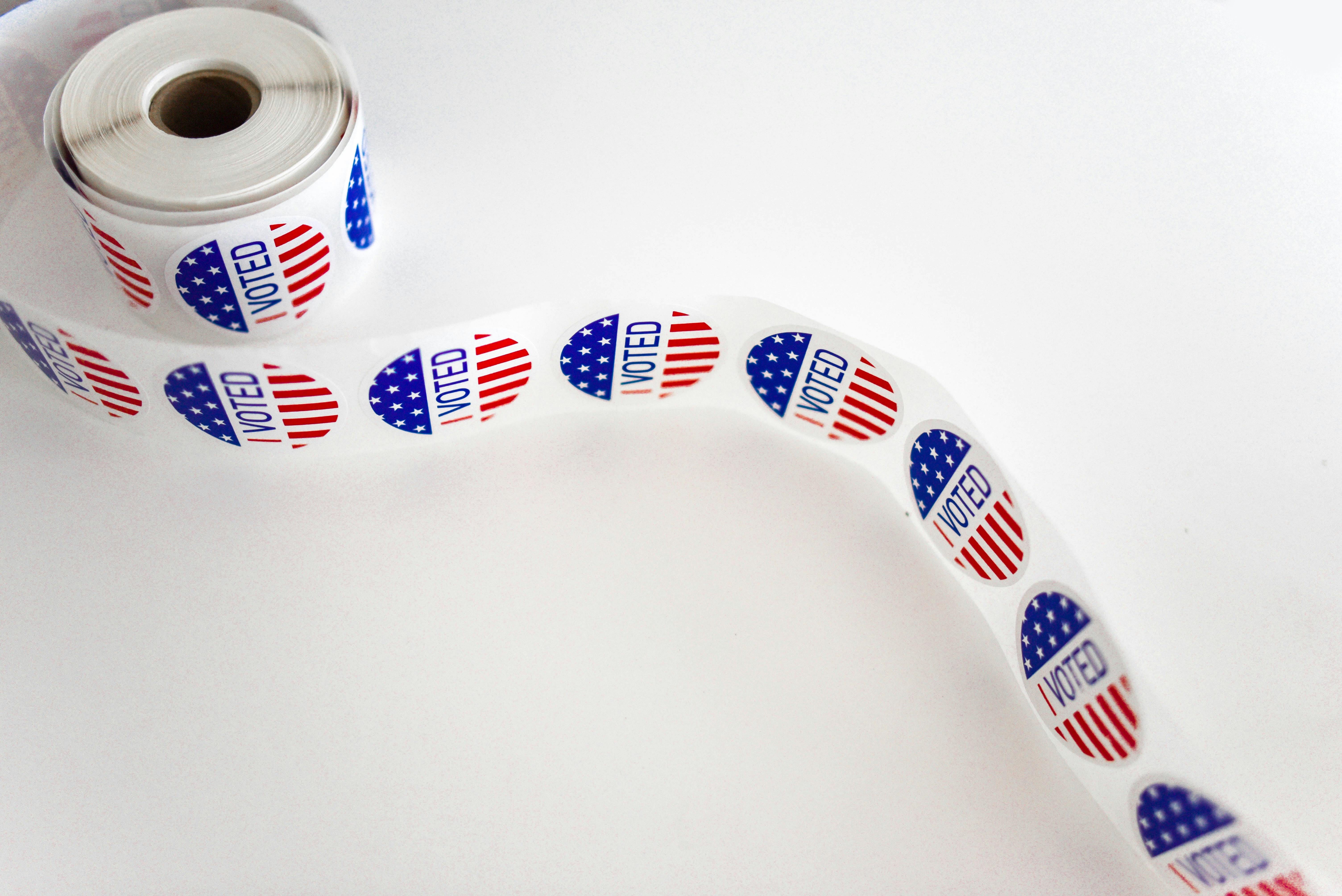
Midterms decide who controls Congress, and they also trigger billions of dollars in campaign spending.
The Big Story
The next U.S. midterm elections take place on November 3, 2026, when voters will decide all 435 House seats and 34 Senate seats.
Historically, the president’s party loses seats in midterms.
But this cycle is unusual because more than 47 House members have announced retirements, leaving many open seats where voters will choose between entirely new candidates.
The Two Spins
From the Left
Midterms can act as a public check on a president’s agenda when voters want more balance or oversight in Washington.
A large number of open seats could create opportunities for new candidates and shift the makeup of Congress.
From the Right
Midterm losses often reflect voters pushing back when they disagree with a president’s policies or the country’s direction.
Winning congressional seats is seen as a way to limit a president’s power and change the direction of policy.
What This Means for Us
Midterms decide which party controls Congress, and that affects whether lawmakers can pass budgets and major laws.
Recent government shutdown fights are a good example. When Congress can’t agree on spending, federal workers can miss paychecks, and public services people rely on can pause.
How They Make Money
Nexstar Media Group
Largest owner of local TV stations in the U.S., operating about 197 stations across 116 markets and reaching roughly 70% of American TV households.
In the 2022 midterms, campaigns flooded TV with ads, helping Nexstar bring in about $506 million in political advertising revenue.
Takeaway
When election season arrives, it’s not just about votes because media companies make BIG money from campaign ads.
The Number That Stuck With Me
$8.9 billion
That’s how much was spent on U.S. federal elections during the 2022 midterms, one of the most expensive midterm cycles ever.